Why Homes in Somerset West and the Helderberg Need Professional Waterproofing (And the Signs You Shouldn’t Ignore)
Homes in Somerset West, Stellenbosch, Grabouw and the greater Helderberg region are exposed to some of the most demanding weather conditions in the Western Cape. Between the strong coastal winds, heavy winter rainfall, and constant exposure to moisture from False Bay, many homes eventually develop waterproofing problems.
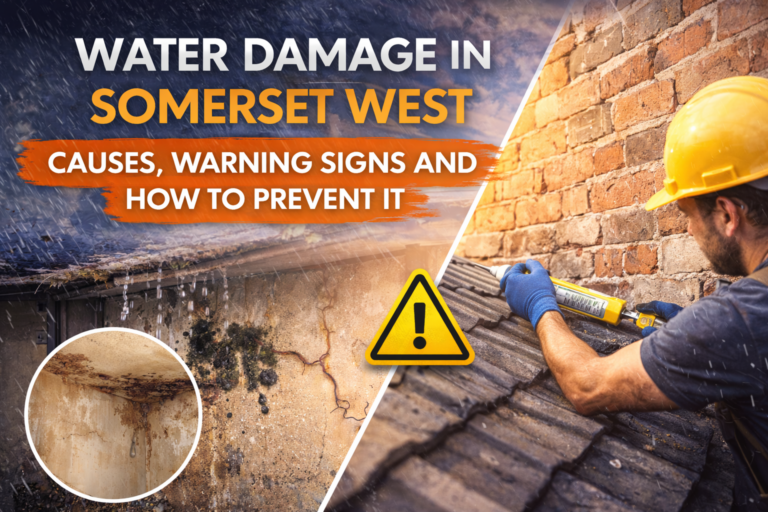
Unfortunately, water damage often starts small and goes unnoticed until it becomes a costly repair. Damp walls, mould growth, peeling paint and roof leaks are all warning signs that moisture has already begun affecting the structure of your home.
Professional waterproofing helps prevent these issues before they escalate into major structural damage. In this guide, we explain why waterproofing is essential in the Helderberg climate, the most common problems homeowners face, and how to recognise when your property needs professional attention.
Why the Helderberg Climate Causes Waterproofing Problems
The Helderberg region’s coastal environment creates unique challenges for residential buildings.
Several environmental factors contribute to waterproofing failures:
Heavy Winter Rainfall
The Western Cape’s Mediterranean climate means that most of the region’s rainfall occurs during winter. Extended periods of rain place continuous pressure on roofs, gutters, balconies and exterior walls.
If waterproofing systems are compromised, water can gradually penetrate building materials.
Wind-Driven Rain
The Helderberg frequently experiences strong winds coming off the ocean, particularly during winter storms. These winds push rainwater into small cracks, roof joints and structural seams where moisture can accumulate.
Even minor structural gaps can allow water to enter under the right conditions.
Temperature Fluctuations
Daily temperature changes cause building materials to expand and contract. Over time this movement can create:
- Cracks in exterior plaster
- Separation around roof flashings
- Small structural gaps
Once these gaps form, they become entry points for moisture.
Ageing Building Materials
Many homes in Somerset West and Stellenbosch were built decades ago. Over time materials such as sealants, membranes and roof coatings naturally degrade.
Without regular maintenance, these materials eventually fail and allow water infiltration.
Professional waterproofing services in the Helderberg can identify vulnerable areas and apply long-lasting protective systems.
The Most Common Waterproofing Problems in Somerset West Homes
Because of the environmental conditions in the region, several types of waterproofing problems occur frequently.
Roof Leaks
Roof leaks are one of the most common issues homeowners face. These leaks often occur due to:
- Cracked roof tiles
- Failed roof membranes
- Poorly sealed flashing around chimneys or vents
- Blocked gutters
Even small leaks can lead to significant interior damage if left untreated.
Balcony and Deck Leaks
Balconies are particularly vulnerable because they are exposed to direct rainfall and temperature changes. If waterproofing membranes fail, water can penetrate through the balcony structure and into the rooms below.
Rising Damp
Rising damp occurs when moisture from the ground travels upward through masonry walls.
Common signs include:
- Damp patches near floor level
- Peeling paint
- Salt deposits on walls
This issue requires specialised damp-proofing solutions.
Cracked Exterior Walls
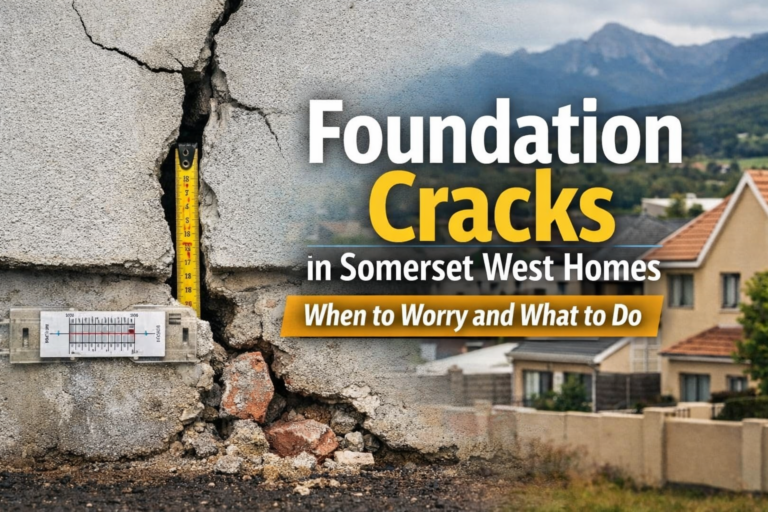
Exterior plaster and masonry can develop cracks over time. These cracks allow water to enter during storms, particularly when combined with wind-driven rain.
If left untreated, moisture can penetrate deeper into the building structure.
Failed Roof Membranes
Flat roofs and low-pitch roofs often rely on waterproof membranes. Over time these membranes may deteriorate due to sun exposure, temperature fluctuations and ageing.
Once the membrane fails, water can quickly penetrate the roof structure.
Warning Signs Your Home Needs Waterproofing
Many homeowners only discover waterproofing issues once damage becomes visible.
Knowing what to look for can help prevent more serious problems.
Damp or Discoloured Walls
Damp patches or dark stains on walls are a common indicator of moisture penetration.
These areas may appear:
- Slightly darker than surrounding walls
- Cold or damp to the touch
Peeling or Bubbling Paint
Moisture trapped behind paint causes the paint layer to lose adhesion, leading to bubbling or peeling surfaces.
This is often an early sign of water infiltration.
Mould Growth
Mould thrives in damp environments and is commonly found in areas with persistent moisture problems.
Besides causing structural damage, mould can also affect indoor air quality.
Musty Odours
A persistent musty smell inside the home often indicates hidden dampness within walls or ceilings.
Ceiling Stains
Brown or yellow stains on ceilings usually indicate a roof leak or waterproofing failure above.
If these signs appear, it is important to address the problem before water damage spreads further.
The Most Important Areas That Require Waterproofing
Effective waterproofing requires protecting several vulnerable areas of a home.
Roof Structures
Roofs are the first line of defence against rain and wind. Proper waterproofing ensures that roof tiles, flashings and joints remain sealed against moisture.
Balconies and Terraces
These structures must be waterproofed with specialised membranes and protective coatings to prevent water penetration.
Exterior Walls
Protective coatings and sealants help prevent water from entering through small cracks in exterior plaster or masonry.
Foundations
Waterproofing foundations protects against rising damp and prevents moisture from entering the building structure.
Roof Flashings and Joints
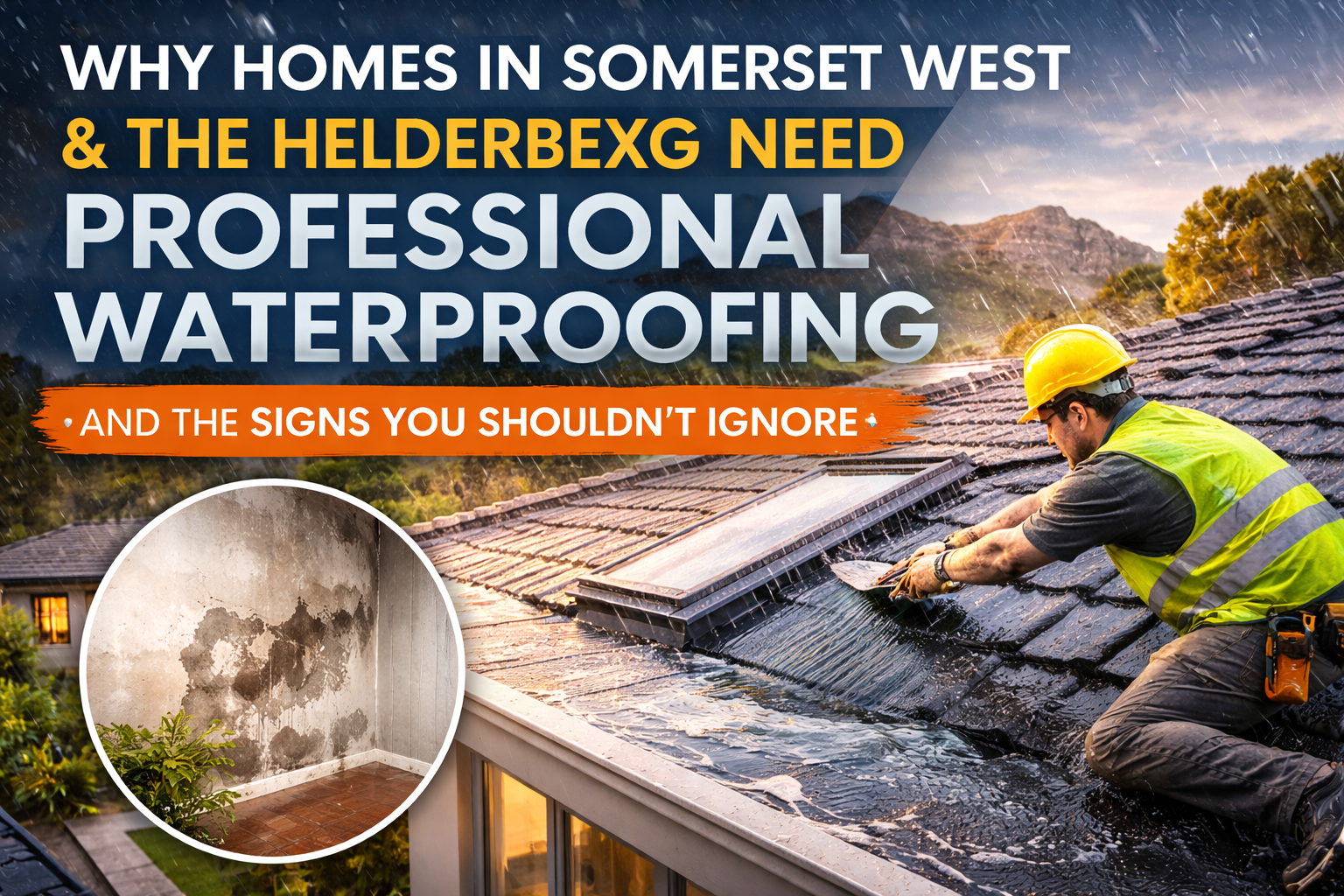
Flashings around chimneys, skylights and vents must be properly sealed to prevent leaks.
Why DIY Waterproofing Often Fails
Many homeowners attempt to fix leaks with DIY waterproofing products, but these solutions often provide only temporary relief.
Common reasons DIY waterproofing fails include:
Poor Surface Preparation
Waterproofing materials must be applied to properly prepared surfaces. Dirt, dust and loose material prevent proper adhesion.
Incorrect Materials
Different surfaces require specific waterproofing systems. Using the wrong product can lead to premature failure.
Treating Symptoms Instead of Causes
DIY solutions often address visible damage rather than the underlying cause of water penetration.
Without identifying the root problem, leaks often return.
Professional contractors perform a full assessment to determine exactly where and how water is entering the structure.
How Professional Waterproofing Protects Your Property Value
Water damage is one of the most serious threats to residential buildings. Over time, moisture can weaken structural materials, cause mould growth and lead to expensive repairs.
Professional waterproofing helps protect property value by:
- Preventing structural deterioration
- Protecting interior finishes
- Reducing maintenance costs
- Maintaining the long-term integrity of the home
Waterproofing is also an essential part of many renovation projects. Homeowners planning upgrades can learn more in The Complete Home Renovation Guide for Somerset West, Stellenbosch and the Helderberg.
By addressing waterproofing issues early, homeowners can prevent costly structural damage and ensure their properties remain safe and comfortable.
Frequently Asked Questions About Waterproofing
How long does waterproofing last?
High-quality waterproofing systems can last between 5 and 10 years, depending on environmental conditions and maintenance.
How do I know if my roof is leaking?
Signs of roof leaks include ceiling stains, damp walls, mould growth and water dripping during rainfall.
Can waterproofing stop mould problems?
Yes. Waterproofing eliminates moisture sources that allow mould to grow, helping improve indoor air quality.
Is waterproofing necessary for balconies?
Yes. Balconies are highly exposed to rain and require specialised waterproof membranes to prevent leaks.
When should I call a waterproofing contractor?
If you notice damp walls, mould growth, peeling paint or ceiling stains, it is best to consult a professional waterproofing contractor before the problem worsens.
Protecting Your Home from Water Damage in the Helderberg
The coastal climate of Somerset West and the Helderberg creates conditions where waterproofing is not just a maintenance task — it is an essential part of protecting your home.
Identifying early warning signs and addressing waterproofing issues quickly can prevent expensive structural damage and extend the life of your property.
RDB Home Solutions provides professional waterproofing services throughout Somerset West, Stellenbosch, Grabouw and the Helderberg, helping homeowners protect their properties from moisture damage and harsh coastal weather conditions.
If you suspect your home may have waterproofing issues, a professional inspection can help identify potential problems and recommend the most effective solutions.